
Oklahoma City sits on the open plains of the Great Plains region and serves as the capital and largest city in the state.
As a fast-growing metropolitan centre, it blends wide urban landscapes with an increasing focus on revitalised waterfronts, green spaces, and outdoor recreation, creating a city experience that feels open, spacious, and closely connected to nature.
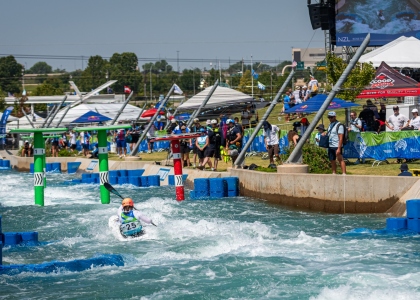
While not traditionally defined by large natural rivers like coastal or lakeside cities, Oklahoma City has developed a growing network of urban waterways, lakes, and riverfront areas that support kayaking, canoeing, and other paddling activities. The Oklahoma River, in particular, has become a focal point for both recreation and competitive paddle sports, with calm, controlled waters ideal for training, events, and beginner-friendly paddling.
The city’s river system and nearby lakes attract recreational paddlers looking for relaxed routes through urban green corridors, as well as athletes training in structured environments designed for rowing and canoe sprint disciplines. This has helped position Oklahoma City as an emerging inland hub for paddle sport development in the United States.
Beyond the water, the city is known for its wide boulevards, expanding downtown district, and strong sporting culture, with outdoor activity playing an increasingly important role in its identity.
Getting there and around
Oklahoma City is well connected by air and road, with Will Rogers World Airport located around 15–20 minutes from downtown.
The airport offers direct flights to major US hubs, making it easily accessible from across the country.
Typical travel times include:
Dallas: 1 hour by flight or 3-3.5 hours by car
Denver: 1.5 hours by flight
Chicago: 2 hours by flight
Atlanta: 2 hours by flight
Within the city, travel is primarily car-based, but downtown Oklahoma City is compact and increasingly walkable thanks to ongoing redevelopment projects.
EMBARK, the city’s public transport system, operates buses and a streetcar service that connects key downtown districts, entertainment areas, and the riverfront. Cycling is also growing in popularity, particularly along the Oklahoma River trails and nearby parks.
Key areas and neighbourhoods
Downtown Oklahoma City: The central business and entertainment district, home to restaurants, sports venues, and cultural attractions close to the riverfront.
Bricktown: A revitalised canal district featuring restaurants, nightlife, boat rides, and pedestrian-friendly waterways that create a lively urban atmosphere.
Oklahoma River Corridor: A key recreational and sporting area, offering paddling access, rowing facilities, and long, flat waterways designed for training and events.
Midtown: A trendy neighbourhood with cafes, bars, and boutique shops, located just north of downtown.
Adventure District: Home to major attractions including museums, parks, and family-focused outdoor spaces.
Top attractions
Oklahoma River Trails: A major highlight for paddlers, featuring calm waters, designated launch points, and routes used for both recreation and elite training.
Bricktown Canal: A scenic urban waterway offering boat rides, walking paths, and a vibrant nightlife setting.
Scissortail Park: A large urban park in downtown Oklahoma City with green spaces, lakes, and event areas.
Myriad Botanical Gardens: A landscaped downtown park featuring gardens, walking paths, and water features in the heart of the city.
Food and drink
Oklahoma City’s food scene reflects a blend of Southern, Texan, and Midwestern influences. Local favourites include barbecue, chicken-fried steak, smoked meats, and hearty comfort food.
The city also has a growing craft beer scene and a strong café culture, particularly in Midtown and Bricktown, where restaurants and bars line walkable streets and canals.
Accommodation
Downtown: Best for first-time visitors wanting easy access to attractions, nightlife, and the riverfront.
Bricktown: Ideal for entertainment-focused stays close to restaurants, bars, and canal-side activities.
Midtown: A more relaxed, local-feeling area with boutique hotels and independent dining.
Riverfront areas: Suited to visitors interested in paddling, cycling, and access to the Oklahoma River trail system.
Practical Information
Currency: US Dollar (USD)
Language: English
Transport: Car-friendly city with bus network and downtown streetcar service
Weather: Hot summers with strong sunshine, mild winters, and generally long paddling season on the Oklahoma River due to controlled water conditions