

Brandenburg an der Havel – often referred to as a “town in the river” - is shaped by water, with nearly 20% of its area made up of lakes, canals, and waterways.
With its historic charm and expansive lakes to explore, it’s an ideal destination for those looking to immerse themselves in life on the water. Whether it's by boat, kayak, or even a refreshing swim, Brandenburg offers plenty for adventurous visitors seeking both activity and relaxation.
Located in the wider state of Brandenburg in eastern Germany, around 1.5 hours west of Berlin, the city is known for its peaceful atmosphere and network of medieval old town islands, perfect for wandering and discovery.
Each summer, the nearby Beetzsee Regatta Course draws international attention, hosting major Canoe Sprint events and training camps that bring athletes from around the world to the region.
Getting there and around
The easiest international gateway is Berlin Brandenburg Airport (BER), about 1-1.5 hours away by train or car.
From Berlin, frequent regional trains connect directly to Brandenberg an der Havel.
Other travel options include:
Hamburg: 3 hours by train
Leipzig: 1.5 hours by train
Dresden: 1.5 hours by train
Once in the city, commuting is simple. Brandenburg has a reliable bus network, but most of the historic centre and waterfront areas are easily walkable.
Cycling is also very popular thanks to flat terrain and extensive riverside paths. Boats and kayaks are even used as practical (and recreational) transport in summer months.
Key areas and neighbourhoods
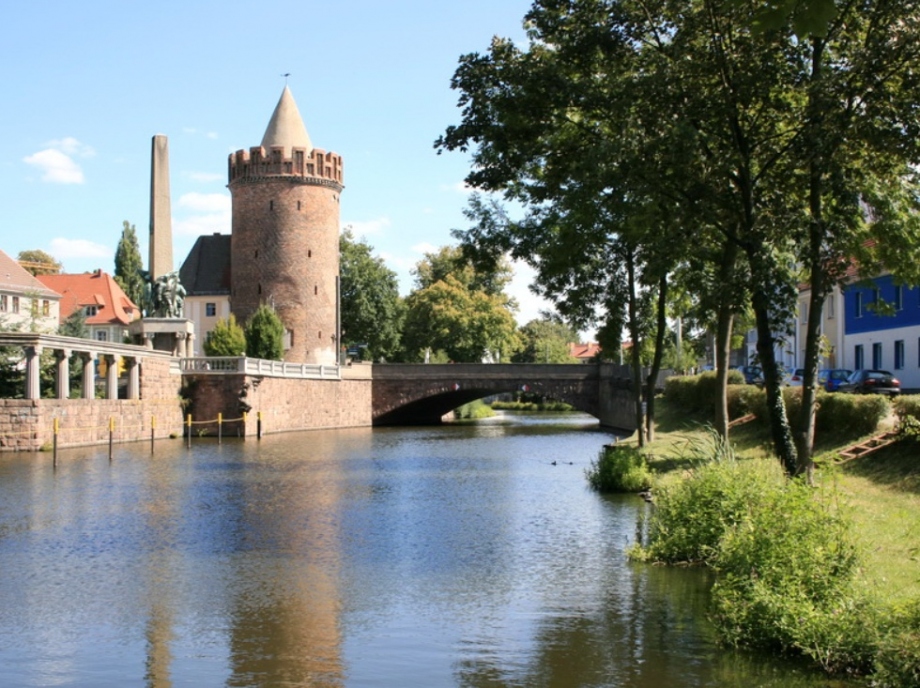
Altstadt (Old Town Islands): The historic core of Brandenburg is spread across several islands in the River Havel. Expect cobbled streets, medieval gates, and colourful facades surrounded by water on all sides.
Neustadt: A more modern district with shops, cafes, and local services, slightly less touristy but still close to the centre.
Beetzsee area: Just outside the city, is the sporting heart of Brandenburg. The regatta course here is one of Germany’s premier Canoe Sprint venues and a key training base for elite paddlers.
Riverside zones: The banks of the Havel are lined with walking and cycling paths, marinas, and quiet green spaces ideal for relaxing or watching passing boats and kayakers.
Top attractions
Brandenburg Cathedral (Dom St. Peter und Paul): Created in 1165, the church combines Roman and Gothic architecture and is located on one of the old town islands.
Old Town bridges and waterways: Brandenburg’s identity is defined by water, its bridges, canals, and islands layout make exploring the city feel like moving through a network of small waterways.
Paulikloster: Home to the Brandenburg State Archaeological Museum.
Millennium Bridge: A central bridge that connects the old and new towns with stunning views of the river.
Food and drink
Brandenburg offers a mix of traditional German cuisine and relaxed riverside dining. Local highlights include fresh fish typically pike, zander, and carp) and local pickles.
Cafes and beer gardens along the river are popular in warmer months, selling German beer – a staple for any trip to the nation.
Accommodation
Old Town: Best for visitors wanting atmosphere and historic surroundings, with easy access to waterfronts and landmarks.
City centre: Convenient, practical and slightly more modern, with good transport links.
Lakeside and Beetzsee area: Ideal for athletes or nature-focused stays, offering quieter hotels and guesthouses near training and racing venues.
Practical Information
Currency: Euro (EUR)
Language: German (English widely spoken in tourism areas)
Transport: Efficient travel to and around the city
Weather: Warm summers, cool winters, with ideal paddling conditions from late spring to early autumn.
Full coverage of the ICF Canoe Sprint World Cups can be viewed on the Planet Canoe YouTube channel.
Join Planet Canoe's YouTube channel for €9.99 per month to unlock members-only content and features
Related links