

Greece has taken a significant step forward in the development of paddle sport by successfully hosting an International Canoe Sprint Level 2 coaching course.
Held from April 14 to 19 at the Schinias Olympic Rowing Centre and the offices of the Hellenic Canoe-Kayak, SUP & Surfing Federation, the week-long seminar brought together more than 30 athletes, coaches, and students for an intensive programme of education and skill development.
Organised by the International Olympic Committee through the International Canoe Federation, in collaboration with the Hellenic Canoe-Kayak, SUP & Surfing Federation, the course attracted a diverse group of participants.
Canoe-kayak and SUP coaches, sports science students, and athletes over the age of 18 all took part, creating a dynamic learning environment focused on advancing coaching knowledge.
The seminar served as a valuable platform for knowledge exchange, strengthening coaching education, and supporting the long-term development of the sport in Greece.

As part of the Olympic Solidarity programme, it also aimed to raise coaching standards, promote Olympic values, and contribute to the continued growth of paddle sport nationwide.
Opening the seminar, Hellenic Canoe Kayak, SUP & Surfing Federation President Georgios Athanasiou highlighted the increasing presence of Greek athletes in national team qualifiers for major international events, including European Championships, World Cups and World Championships.
The programme featured expert-led sessions from ICF head coaches Zdzislaw Szubski and Jan Francik.
Szubski focused on analysing the performance of Greek athletes and facilitating discussion, while Francik explored the pathway from talent identification to elite performance.
“I’m very happy - this is my third or fourth time running this, and it keeps getting better each time,” said Szubski.
He added that “typically, we’ve had between 20 and 25 participants in these sessions, so it was nice to have 30+ this time around, with a mixture of young athletes, former athletes, and older individuals, which created a really diverse group.”
Practical sessions formed a core part of the seminar, focusing on training content, objectives, and methods for talent identification and development. Participants explored key performance areas such as endurance, power, and strength, alongside discussions on physiology and biomechanics.
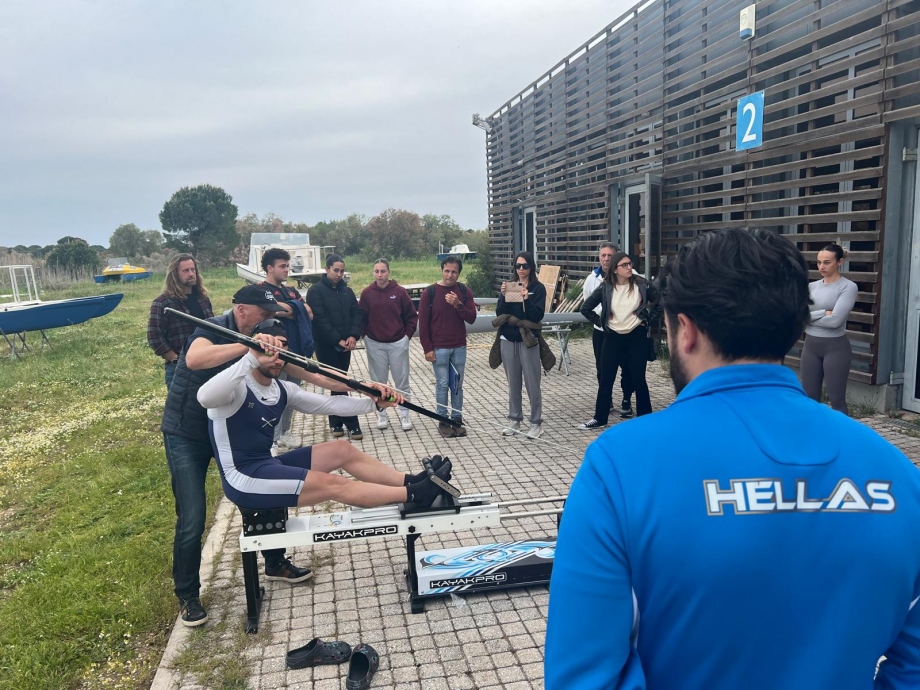
“There was a lot of new information, so I designed the programme to cover a wide range of topics, including endurance, power, and strength,” said Szubski.
“We discussed physiology and biomechanics, and on the final day I brought everything together into a complete overview.”
A highlight of the applied sessions came with Francik demonstrating techniques alongside members of the German team, offering participants valuable real-world insights.
Reflecting on this, Szubski said: “Francik demonstrated the technique alongside the German team, which was a great addition.”
Both coaches concluded the seminar by reinforcing the importance of structured talent identification and long-term athlete development.
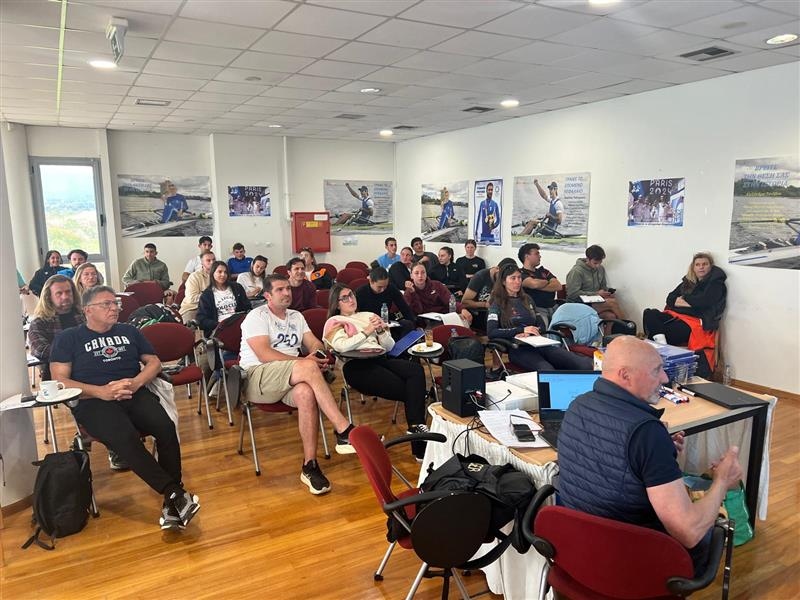
“Overall, it was a great success - the President, the federation, and all the participants were very pleased,” said Szubski.
ICF Vice President Dr. Cecilia Farias also praised the initiative, highlighting its broader impact on the sport’s development.
“The successful delivery of this course in Greece reflects the International Canoe Federation’s continued commitment to strengthening coaching education and creating sustainable pathways for athlete development across all regions,” said Dr. Farias.
“Bringing together coaches, students, and athletes in one learning environment is essential. This diversity of experience enriches the discussions and ensures that knowledge is shared across all levels of the sport.”
“It is particularly encouraging to see countries like Greece investing in both their coaches and athletes. This type of initiative lays the foundation for future international success in Canoe Sprint.”
Related links